Introduction
Knowing what order to put on skincare can transform a collection of individual bottles into an organized daily regimen. You might purchase quality formulas with well-researched ingredients, but applying them in the wrong sequence can change how they layer on the skin. A thick cream applied before a watery fluid can affect how the products sit on the skin.
Skincare layering follows practical principles. Thinner textures are generally applied before heavier formulas. Heavier formulas may rest closer to the surface. A moisturizer helps reduce moisture loss.
Founded in 2009 by Veronica Pedersen, Timeless Skin Care focuses on skincare for daily routines. Whether you prefer a streamlined three-step approach or enjoy a comprehensive multistep regimen, understanding product order can help you build a consistent routine.
Key Takeaway: Skincare products should generally be layered from thinnest to thickest texture, moving from water-based liquids to richer creams, with broad-spectrum sunscreen as the final skincare step every morning.
The Core Principles of Skincare Layering
The standard rule for applying skincare is simple: apply products from thinnest consistency to thickest consistency. This allows lightweight, water-soluble products to be applied before heavier, lipid-rich formulas.
1. Viscosity and Density
Liquids, toners, and light serums have low viscosity and spread easily on clean skin. Creams, lotions, and facial oils have higher viscosity and contain emollient or occlusive agents. Applying a dense face cream first can change how a lightweight serum layers on the skin.
2. Water-Based Before Oil-Based
Water and oil do not mix naturally on the surface of the skin. Water-based serums are generally applied before oil-based formulas. Oil-based formulas, which are naturally hydrophobic, generally follow water-based steps.
3. Purpose: Daytime Defense vs. Nighttime Support
Your morning routine focuses on environmental defense and surface hydration. During the day, your skin faces ultraviolet rays, wind, and airborne pollution. The evening routine focuses on cleansing away daily buildup, replenishing hydration, and providing targeted care for specific appearance concerns while you rest.
| Step Type | Product Texture | Primary Function | Routine Timing |
|---|---|---|---|
| Cleanse | Gel, foam, or oil | Clears dirt, excess oil, and debris | AM and PM |
| Prep | Watery liquid or mist | Helps support hydration in the upper layers of the epidermis | AM and PM |
| Target | Lightweight serum | Delivers concentrated cosmetic ingredients | AM and/or PM |
| Eye Care | Light cream or gel | Hydrates the delicate eye contour | AM and PM |
| Moisturize | Lotion or cream | Helps reduce transepidermal water loss (TEWL) | AM and PM |
| Protect | Mineral or chemical lotion | Broad-spectrum UV defense | AM only |


The Correct Morning Skincare Order
Morning skincare prepares your face for the day ahead. Each step builds a balanced foundation of hydration and defense against external stressors.
Step 1: Cleanser
Washing your face in the morning removes sweat, overnight oil buildup, and residual nighttime products. A gentle, sulfate-free cleanser refreshes the skin without stripping away essential surface lipids. If you have particularly dry skin, rinsing with lukewarm water may be sufficient.
Step 2: Hydrating Toner or Mist
Toners are optional, but a hydrating mist or liquid toner helps support hydration in the upper layers of the epidermis. Apply it after cleansing and before serums.
Step 3: Antioxidant Serum
Antioxidants can be part of a daytime routine. Applying an antioxidant serum helps defend against oxidative stress caused by environmental factors such as UV exposure and pollution.
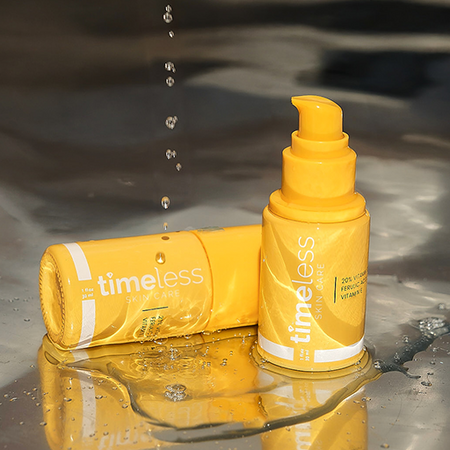
L-ascorbic acid is the most researched form of vitamin C. It helps brighten the look of dullness and uneven tone. It also helps neutralize free radicals generated by UV exposure. The 20% Vitamin C + E Ferulic Acid Serum is an example of a vitamin C serum.
Step 4: Hydrating Serum
Hyaluronic acid is a humectant. It helps attract, bind, and retain water in the outer layers of the skin. It helps improve the appearance of dehydration lines. The Hyaluronic Acid 100% Pure is an example of a hyaluronic acid serum.
Step 5: Eye Cream
The skin around the orbital bone is thinner than the rest of the face and often shows early signs of fatigue. A dedicated eye formula offers lightweight hydration designed for this delicate area.
Step 6: Moisturizer
A daytime moisturizer provides emollients that help keep the skin feeling supple and smooth throughout the day. It helps reduce transepidermal water loss (TEWL). Choose a lightweight lotion or gel cream for daytime use so that makeup and sunscreen sit comfortably on top.
Step 7: Broad-Spectrum Sunscreen (SPF 30+)
Broad-spectrum sunscreen is the final skincare step of every morning routine.
Note: Daily broad-spectrum sunscreen with an SPF of 30 or higher should always be the final skincare step in the morning. Reapply every two hours during extended sun exposure.
Apply sunscreen after your serums and moisturizer so it remains the final skincare step. Allow your moisturizer to absorb for one to two minutes before applying a generous amount of broad-spectrum sunscreen.
Morning Routine Sequence
- Cleanse.
- Apply a hydrating mist or liquid toner.
- Apply an antioxidant serum.
- Apply a hydrating humectant serum.
- Apply eye cream.
- Apply a daily moisturizer to face and neck.
- Finish with a broad-spectrum sunscreen rated SPF 30 or higher.
The Correct Evening Skincare Order
Your evening routine focuses on thorough cleansing, hydration, and targeted support. Because you do not need to apply sunscreen at night, you can use richer textures and specialized ingredients.
Step 1: Makeup Removal or Oil Cleanse
If you wear makeup, long-wear sunscreen, or work in a dusty environment, a first cleanse with a cleansing oil or micellar water breaks down stubborn, oil-soluble surface debris. Massage the oil cleanser gently over dry skin to dissolve cosmetic pigments.
Step 2: Water-Based Cleanser
Follow your oil cleanse with a gentle water-based cleanser to wash away dissolved residue, sweat, and airborne particles. This two-step cleansing process cleans the skin surface before leave-on treatments.
Step 3: Exfoliant (1 to 3 Times Weekly)
Chemical exfoliants containing alpha hydroxy acids (AHAs) like lactic or glycolic acid, or beta hydroxy acids (BHAs) like salicylic acid, help remove dead surface cells. Regular, gentle exfoliation smooths the appearance of rough texture and allows hydrating serums to perform more evenly. Limit chemical exfoliation to two or three evenings per week to avoid stressing the skin barrier.
Step 4: Targeted Treatment or Peptide Serum
Nighttime routines can include concentrated peptide serums or specialized active ingredients. Peptides may help support the appearance of firmness.
Coenzyme Q10 provides antioxidant support as the skin's natural CoQ10 levels decline with age. It helps improve the appearance of fine lines. It supports firmer-looking skin. If you have vitiligo, check with your dermatologist before using a CoQ10 product.
Step 5: Hydrating and Barrier-Support Serums
A water-soluble serum can follow targeted treatments. Vitamin B5 supports the skin barrier and helps the skin retain moisture. It helps the skin feel more comfortable.
Hyaluronic acid serums can also be used at night. Hyaluronic acid helps attract, bind, and retain water in the outer layers of the skin.
Step 6: Eye Treatment
Apply your nighttime eye cream before your heavier facial moisturizer. The Dark Circle Peptide Complex Eye Cream is an example within the eye-care category for evening use.
Step 7: Night Moisturizer or Facial Oil
A richer evening moisturizer helps reduce moisture loss. Night creams often contain higher levels of lipids, fatty acids, and ceramides to comfort the skin overnight.
Evening Routine Sequence
- Dissolve makeup and sunscreen with a cleansing oil or balm.
- Wash thoroughly with a gentle water-based face cleanser.
- Apply a chemical exfoliant two to three nights per week.
- Apply targeted peptide or antioxidant serum over face and neck.
- Apply a hydrating serum containing humectants or vitamin B5.
- Apply eye cream around the eye area.
- Apply a nourishing night cream or facial oil over the face and neck.
How to Layer Multiple Serums Effectively
Many people use more than one serum to address different cosmetic concerns, such as dullness, dehydration, and the visible loss of elasticity. Layering multiple serums is possible when you follow a few practical guidelines.
Limit Your Routine to Two or Three Serums
Applying too many concentrated formulas simultaneously can overwhelm the skin and increase the possibility of irritation. Stick to a maximum of two or three targeted serums per routine.
Follow the Rule of Consistency
When layering two or more serums, apply the thinnest, most watery formula first. Allow it thirty to sixty seconds to settle on the skin surface before applying the slightly thicker or more viscous serum.
Pay Attention to pH and Ingredient Types
Some ingredients require specific pH ranges to remain stable. For instance, L-ascorbic acid operates in an acidic pH environment. Water-soluble vitamin C serums can be applied after cleansing on clean, dry skin. Hydrating serums containing sodium hyaluronate can be applied directly afterward to support surface hydration.
| Serum Type | Primary Ingredient Focus | Ideal Consistency | Recommended Placement |
|---|---|---|---|
| Vitamin C | L-Ascorbic Acid | Watery liquid | First serum step on clean, dry skin (AM) |
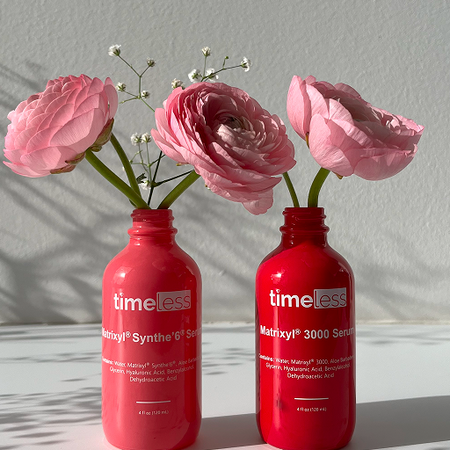
| Peptide Complex | Matrixyl or Multi-peptides | Light gel-fluid | Clean skin or after thin watery treatments |
| Barrier Support | Vitamin B5 / Calcium Pantothenate | Light fluid | After active treatments, before creams |
| Deep Hydration | Sodium Hyaluronate | Viscous fluid | After thin active serums, before creams |
Bottom line: When layering multiple serums, apply the lightest, most watery serum first, wait thirty to sixty seconds, and follow with denser, gel-like or fluid serums before your moisturizer.
How Long to Wait Between Skincare Steps
A common question in skincare is whether you need to wait several minutes between each product application. In most cases, extensive wait times are unnecessary, but strategic pauses can improve the feel and finish of your routine.
Water-Based Hydrators
You do not need to wait between applying a hydrating mist, a hyaluronic acid serum, or a peptide fluid. Applying hyaluronic acid to slightly damp skin helps attract, bind, and retain water in the outer layers of the skin.
Acidic Serums and Exfoliants
When using an acidic L-ascorbic acid serum or an exfoliating acid toner, letting the product absorb for about one minute allows the formula to settle on the surface of the skin before introducing a higher-pH moisturizer.
Sunscreen Application
Allow your daytime moisturizer to absorb for one to two minutes so the skin feels dry to the touch before applying your broad-spectrum sunscreen. Once your sunscreen is applied, let it set undisturbed for three to five minutes before applying foundation or cosmetic powder. This prevents you from disrupting the protective film created by the UV filters.
Setting Realistic Expectations for Your Routine
Consistency and correct product order create the foundation for healthy-looking skin, but realistic expectations are essential. Cosmetic skincare products work gradually on the outer layers of the epidermis.
Consistent use may support visible changes in skin texture, radiance, surface hydration, fine lines, overall firmness, and uneven tone. Individual reactions vary with every cosmetic ingredient.
Introducing multiple new products all at once makes it difficult to determine which formula is providing visible benefits or causing potential sensitivity. Introduce one new formula at a time, spacing additions several weeks apart. Anyone with a known sensitivity or diagnosed skin condition should seek professional advice before starting a new routine.
Frequently Asked Questions
What is the single most important rule for skincare order?
The primary rule is applying products from thinnest consistency to thickest consistency. Water-based liquids and lightweight serums go on first, followed by lotions, heavier face creams, and oils. In the morning, broad-spectrum sunscreen is always the final step.
Can I apply my moisturizer before my serum?
Serum is generally applied before moisturizer. Moisturizer helps reduce moisture loss, and applying it before a lighter, water-based serum may change how the products layer on the skin.
Should I put eye cream on before or after my face moisturizer?
Eye cream generally goes before your regular facial moisturizer. Eye formulas are often lighter and designed for the delicate skin around the orbital bone.
Do I need to use different skincare routines for morning and night?
They can be different because your morning and evening routines serve different purposes. The daytime routine prioritizes environmental defense, light hydration, and broad-spectrum sunscreen. The nighttime routine focuses on thorough cleansing, replenishing moisture, and delivering targeted ingredients like peptides without the need for UV filters.