Introduction
Building an effective daily skincare routine involves more than selecting good formulas. The sequence you choose can influence how well those formulas sit on the skin throughout the day or night. When applied out of sequence, thick creams may affect how lighter liquids layer, sometimes leaving pilling or lackluster results. Learn more with our skincare quiz.
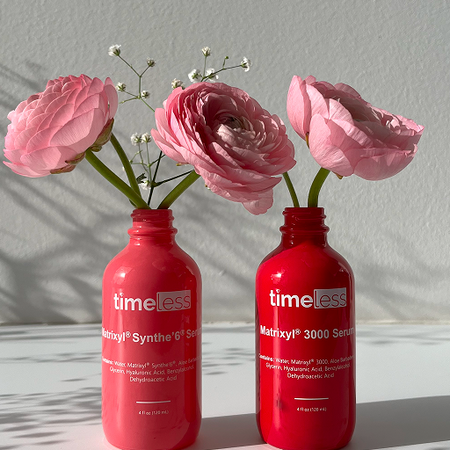
Founded in 2009 by Veronica Pedersen, Timeless Skin Care focuses on clean, concentrated formulas made in the USA in small batches. Knowing how to arrange these products can help you get the most out of every step. Whether your regimen contains three basic essentials or multiple targeted treatments, following a consistent order can help keep your skin comfortable, hydrated, and protected.
Key Takeaway: Skincare layering follows a simple principle: apply products from thinnest consistency to thickest, finishing with daily broad-spectrum sunscreen in the morning and a dedicated moisturizer at night.
The Core Rule: Thinnest to Thickest Consistency
The core principle of skincare application is straightforward. Start with liquid, water-based solutions and progress toward richer, oil-based emulsions.
Water-based formulas are usually lighter and less viscous, so they are typically applied earlier. If you apply a dense oil or heavy cream first, it may affect how lighter products layer and can contribute to product buildup.
To evaluate where a product fits, look at its texture:
| Product Type | Typical Texture | Routine Phase | Primary Purpose |
|---|---|---|---|
| Water-Based Cleanser | Liquid or gel | First step | Clears surface debris and excess oil |
| Hydrating Toner or Mist | Water-light | Early prep | Prepares the skin surface for hydration |
| Water-Based Serum | Fluid or light gel | Treatment | Delivers concentrated active ingredients |
| Eye Cream | Light lotion | Targeted step | Addresses the delicate eye contour |
| Moisturizer | Cream or lotion | Moisturizing step | Helps reduce moisture loss |
| Facial Oil | Rich oil | Optional finish (PM) | Adds surface conditioning |
| Sunscreen | Lotion or fluid | Final AM step | Sun-protection step |
When in doubt, dispense a drop on the back of your hand. The product that runs faster generally goes on first.


Step-by-Step Morning Skincare Order
Daytime skincare focuses on hydration and environmental defense. During the day, skin encounters ultraviolet radiation, environmental grime, and changing humidity levels. Your morning routine should support your skin through these conditions.
-
Gentle Cleanser
Washing your face in the morning can remove overnight sweat and excess oil. A gentle, sulfate-free cleanser may refresh your complexion without stripping away essential surface lipids. -
Hydrating Mist or Toner
An alcohol-free mist can add immediate surface hydration. Formulas containing humectants may prepare the skin to receive subsequent treatments. -
Antioxidant Serum
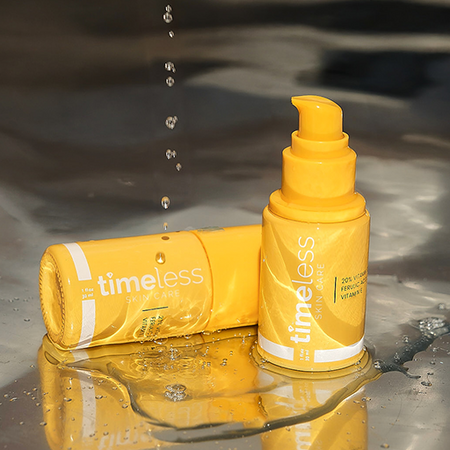
Morning is a common time for antioxidant application. An antioxidant helps defend against oxidative stress caused by environmental factors such as UV exposure and pollution. Vitamin C is a popular choice for this step because it helps brighten the look of dullness and uneven tone. When using vitamin C in the morning, follow with broad-spectrum sunscreen. The 20% Vitamin C + E Ferulic Acid Serum represents our Vitamin C category. -
Hydrating Serum
Layering a humectant after your active treatment provides lightweight water content. Hyaluronic acid helps attract, bind, and retain water in the outer layers of the skin. It also helps improve the appearance of dehydration lines. You can find this in our Hydration category with Hyaluronic Acid 100% Pure. -
Eye Cream
The skin surrounding the eyes is delicate. Dab a small amount around the orbital bone using your ring finger before applying your all-over facial cream. -
Daily Moisturizer
A lightweight lotion or gel cream helps reduce transepidermal water loss (TEWL), the water that evaporates from the skin's surface. This can help your skin feel balanced and supple throughout the day. -
Broad-Spectrum Sunscreen
Sun protection is the final step of every morning routine. Apply a generous amount of broad-spectrum sunscreen with SPF 30 or higher to your face, neck, and ears. Reapply every two hours during prolonged outdoor exposure.
Note: Apply facial oils and thick moisturizers before sunscreen in the morning so sunscreen remains the final step.
Step-by-Step Evening Skincare Order
Your nighttime sequence centers on thorough cleansing, replenishment, and barrier support. At night, you can introduce richer textures and targeted peptide treatments.
-
First Cleanse (Makeup and Sunscreen Removal)
An oil cleanser or micellar water can break down water-resistant sunscreen, long-wear makeup, and daily pollutants. Massage it over dry skin to dissolve surface debris. -
Second Cleanse
Follow with a water-based gel or cream cleanser to wash away any remaining residue. This double-cleansing method can help remove residue before you apply active treatments. -
Exfoliant (1 to 3 Times Weekly)
Chemical exfoliants like alpha hydroxy acids (AHAs) or beta hydroxy acids (BHAs) help remove dead skin cell buildup. Limit exfoliation to a few nights per week to maintain a healthy surface barrier. -
Treatment Serums and Peptides
Apply your targeted evening serums directly onto clean skin. Peptides may help support the appearance of firmness. If you use CoQ10, it provides antioxidant support as the skin's natural CoQ10 levels decline with age. CoQ10 is generally used once daily. Within our Antioxidant category, we offer Coenzyme Q10 Serum. If you have vitiligo, check with your dermatologist before using a CoQ10 product. -
Eye Cream
Gently tap your chosen eye formula around the eye contours to maintain softness overnight. -
Nighttime Moisturizer
Select a slightly richer cream for evening use. A supportive moisturizer helps reduce moisture loss while you sleep and can help you wake with comfortable skin. -
Facial Oil (Optional)
If your skin feels dry, press two to three drops of face oil over your moisturizer. This adds a comforting lipid layer on the surface.
How to Layer Multiple Serums Without Pilling
Many people use more than one serum to address different cosmetic goals. Layering them properly can help prevent unwanted residue and pilling.
The Rule for Multiple Serums
When using two or more serums in a single routine, follow these guidelines:
- Apply by consistency: Move from the most watery fluid to the most viscous gel.
- Respect pH levels: Serums with a lower pH, such as L-ascorbic acid, should be applied first onto clean, dry skin.
- Wait briefly between layers: Allow each product thirty to sixty seconds to settle before applying the next layer.
- Limit your layers: Using two serums per routine is generally plenty. Stacking four or five serums increases the likelihood of product buildup.
Water-Based vs. Lipid-Based Formulas
Water-based formulas generally precede lipid-based formulas. Hyaluronic acid is a humectant. Hyaluronic acid helps attract, bind, and retain water in the outer layers of the skin. The vitamin B5 supports the skin barrier and helps the skin retain moisture.
If you ever experience pilling, or small balls of product rolling off your face, you may be applying products too quickly, using too much quantity, or combining incompatible silicone- and water-based formulas.
Realistic Expectations for Skincare Results
Achieving visible improvements in skin tone, smoothness, and hydration often requires consistency and patience. Skincare products support the outer layers of the epidermis, so visible changes can take time.
Hydrating products may provide an immediate sensation of comfort. Changes in uneven tone, fine lines, or firmer-looking skin may require regular application before they become noticeable.
Individual reactions vary across different skin types. Anyone with a known sensitivity or diagnosed skin condition should check with their dermatologist before starting a new regimen. Maintain your daily routine, apply your broad-spectrum sunscreen diligently, and allow your skin adequate time to respond.
Frequently Asked Questions
Can I apply moisturizer before my serum?
Generally, apply your serum before moisturizer. Moisturizers contain emollient and occlusive agents designed to create a protective barrier on the skin. Applying a thin serum over a moisturizer may affect how the products layer.
How long should I wait between skincare steps?
Many steps do not require long waiting periods. You can apply toners, hydrating serums, and moisturizers in quick succession while the skin is slightly damp. For low-pH active serums or chemical exfoliants, waiting about one minute may allow the product to settle before you layer a cream on top.
Should I apply facial oil before or after moisturizer?
Facial oils should generally be applied after your water-based moisturizer, or mixed directly into it. Oils act as emollients and surface conditioners. Applying oil first may affect how the moisturizer layers.
What is the absolute minimum skincare routine order?
If you prefer a minimal routine, stick to three essential steps in the morning: cleanse, moisturize, and apply broad-spectrum sunscreen. In the evening, cleanse thoroughly and apply your moisturizer. You can add targeted serums as needed once your base routine is consistent.