Introduction
Applying skincare products in a considered sequence can make layering easier. If you apply a light, water-based serum over a heavy facial cream, the serum may not spread as easily across the skin. Layering from lighter to heavier textures can help keep a routine straightforward.
Building an effective daily regimen does not require a dozen steps. Whether you prefer a minimal three-step lineup or enjoy a more detailed routine, the sequence follows a few straightforward physical rules. Understanding how product weight, water content, and formulation interact helps you build a regimen tailored to your daily skin goals.
Key Takeaway: The foundational rule of skincare layering is simple: apply products from thinnest to thickest texture, starting with water-based formulas and ending with the routine's heavier products. Sunscreen goes last in the morning.
The Core Rule: Thinnest to Thickest Texture
The general rule of thumb for any skincare routine is to apply products from the thinnest consistency to the thickest. Thin liquids generally feel lighter on the skin, while thicker creams feel more substantial.
Water-based formulas generally go first. If you apply an oil or a thick occlusive balm before a lightweight liquid, the heavier product may make it harder for the lighter formula to spread evenly across the skin.
Here is how common product categories rank by physical texture:
- Liquid cleansers and rinse-off treatments
- Water-light toners, essences, and mists
- Thin, water-based serums
- Thicker emulsions and gel serums
- Lotions and lightweight daily moisturizers
- Rich creams and facial oils
- Daytime broad-spectrum sunscreen
| Product Type | Formula Base | Routine Role | Typical Texture |
|---|---|---|---|
| Cleanser | Water or Oil | Removes debris and surface oil | Gel, foam, cream, or fluid |
| Toner | Water | Prepares the skin surface | Water-light liquid |
| Serum | Water or Lipid | Delivers targeted ingredients | Watery drop to light gel |
| Moisturizer | Emulsion | Helps reduce moisture loss | Cream, lotion, or gel |
| Facial Oil | Lipid | Softens surface dryness | Lightweight to dense oil |
| Sunscreen | Mineral or Chemical | Defends against UV exposure | Lotion, fluid, or cream |


Morning Skincare Routine Order
Your morning routine focuses on daytime support and environmental defense. During the day, your skin encounters sunlight, wind, and airborne pollutants. A proper morning sequence prepares your skin for these daily stressors.
- Cleanser: Wash your face with a gentle water-based cleanser or lukewarm water to remove nighttime oil buildup and prepare a clean canvas.
- Toner or Mist: If you use a balancing or hydrating toner, apply it immediately after washing while the skin is still slightly damp.
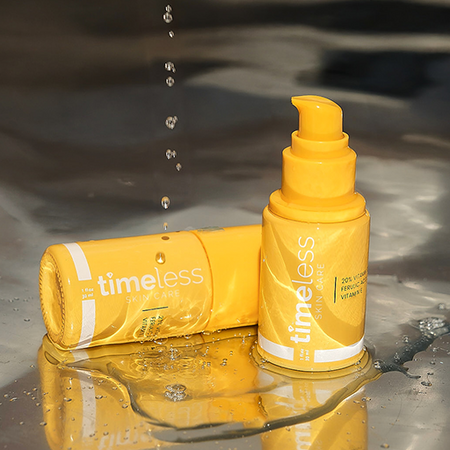
- Antioxidant Serum: Morning use is common for antioxidant products. Options from Timeless Skin Care in this step include the 20% Vitamin C + E Ferulic Acid Serum from the brand's vitamin C line. Vitamin C helps brighten the look of dullness and uneven tone. Vitamin C helps defend against oxidative stress caused by environmental factors such as UV exposure and pollution. If you use Vitamin C in the morning, follow the routine with broad-spectrum sunscreen.
- Hydrating Serum: If you layer multiple treatments, apply a humectant next. The Hyaluronic Acid 100% Pure is an option in this hydration category. Hyaluronic acid helps attract, bind, and retain water in the outer layers of the skin.
- Eye Cream: Gently pat a small amount around the orbital bone using your ring finger.
- Moisturizer: A daytime moisturizer helps reduce transepidermal water loss (TEWL), the water that evaporates from the skin's surface. Choose a lightweight lotion or gel based on your preference.
- Broad-Spectrum Sunscreen: Sunscreen is always the final step of your morning skincare sequence. Apply a generous layer of SPF 30 or higher at least fifteen minutes before sun exposure. Never apply serums or creams on top of your sunscreen layer.
Note: Morning antioxidant application never replaces sunscreen. Always finish your morning routine with a dedicated broad-spectrum sunscreen.
Evening Skincare Routine Order
The evening sequence focuses on thorough cleansing, hydration, and targeted surface treatments. Nighttime products are often richer because you do not need to layer makeup or sunscreen over them.
- First Cleanse: If you wear makeup or water-resistant sunscreen, start with an oil-based cleanser or micellar water to break down surface residue.
- Second Cleanse: Follow with a gentle water-based cleanser to wash away remaining residue, sweat, and environmental grime.
- Exfoliant or Acid Toner: If your regimen includes liquid chemical exfoliants such as glycolic, lactic, or salicylic acid, apply them after cleansing. Limit this step to two or three nights per week to maintain comfort.
- Targeted Serums: Evening is an ideal time for peptides, specialty antioxidants, or hydrating products. The Coenzyme Q10 Serum is an option in the antioxidant category. CoQ10 provides antioxidant support as the skin's natural CoQ10 levels decline with age. CoQ10 is generally used once daily. If your routine includes Vitamin B5, this ingredient supports the skin barrier and helps the skin retain moisture.
- Night Moisturizer: Choose a slightly richer cream for bedtime. A good moisturizer helps reduce moisture loss while you sleep.
- Facial Oil: If your skin feels very dry, you may pat two or three drops of facial oil over your moisturizer as the final step.
How to Layer Multiple Serums and Active Ingredients
Many people choose to use more than one serum in a single routine. When combining multiple targeted treatments, follow these specific guidelines. For additional routine guidance, see how to layer multiple serums.
Base Format Determines Order
Always apply water-soluble serums before lipid-soluble or anhydrous formulas. For instance, apply a water-based vitamin B5 or hyaluronic acid liquid before an oil-based formula.
Consistency Within the Same Format
If you have two water-based serums, apply the thinnest, most watery liquid first. Allow it thirty to sixty seconds to settle before applying the thicker gel-like serum.
Ingredient Sensitivities and Spacing
Some active ingredients can cause mild tingling or sensitivity if layered directly together. If you use strong exfoliating acids alongside other concentrated ingredients, consider using one in the morning and the other in the evening. Alternatively, you can alternate nights.
For ingredient definitions and additional reference information, visit our ingredient glossary.
If you have vitiligo, check with your dermatologist before using a CoQ10 product.
Setting Realistic Expectations for Your Routine
Building a well-structured routine is an investment in daily skincare, but visible changes require consistency and patience. Skincare products generally do not produce instant cosmetic shifts overnight.
Surface texture, the appearance of fine lines, and overall tone may develop gradually with consistent use. Hyaluronic acid helps improve the appearance of dehydration lines.
Stick to your routine consistently before evaluating whether a specific product combination works for you. Give your skin time to adjust to any new step you introduce.
Frequently Asked Questions
How long should I wait between applying each skincare step?
You do not need to wait several minutes between every product. For most toners, serums, and moisturizers, simply wait thirty to sixty seconds until the product has absorbed and no longer feels wet on the skin before applying the next layer. The main exception is broad-spectrum sunscreen, which should set for a few minutes before you apply makeup over it.
Can I apply hyaluronic acid and vitamin C together?
Generally, yes. Vitamin C serums are typically thin and water-based, so apply your vitamin C first to clean skin. Follow with your hyaluronic acid serum. Hyaluronic acid helps support hydration in the upper layers of the epidermis. Finish with a moisturizer. For more information, read can you use hyaluronic acid and vitamin C together.
Do I need to use an eye cream before or after my moisturizer?
Eye creams are typically formulated with a lighter consistency than facial moisturizers, so they generally go on before your face cream. Applying eye cream first places it around the orbital bone before the richer cream.
Is double cleansing necessary every single day?
Double cleansing is primarily beneficial in the evening if you wear long-wearing makeup, heavy foundation, or water-resistant sunscreen. A single gentle cleanser is usually sufficient in the morning or on days when you have not worn makeup or heavy surface products.