Introduction
Getting the most out of your daily regimen comes down to structure. Even well-formulated products can feel less effective if applied in the wrong sequence. When you arrange your skincare routine in order, you give each formula the opportunity to sit on the skin surface without unnecessary barriers.
The foundational principle of product layering is straightforward: apply formulas from thinnest to thickest texture. Water-based liquids go on first, followed by gel serums, lipid treatments, and richer creams. This structure places lightweight hydration before heavier emollients. A moisturizer helps reduce moisture loss.
Whether you keep your regimen minimal with three steps or enjoy a multi-step sequence, consistency matters. Timeless Skin Care was founded in 2009 by Veronica Pedersen to provide accessible, high-concentration formulas that fit seamlessly into daily life. Understanding how each step functions allows you to build a practical routine tailored to your skin. Explore the Timeless Skin Care story to learn more.
The Core Rule of Skincare Layering: Thin to Thick
The primary rule of skincare application is managing viscosity and formula composition. Applying a rich cream before a light water-based liquid can make layering less comfortable.
To make layering simple, you can divide your routine into three distinct phases:
- Preparation: Cleansing and light toning.
- Treatment: Water-based actives, antioxidant serums, and targeted hydrators.
- Sealing: Moisturizers, facial oils, and morning sun protection.
Water-soluble ingredients are generally applied to freshly cleansed skin. After your water-based treatments are in place, thicker emulsions and emollient creams follow. A proper moisturizer helps reduce transepidermal water loss (TEWL), the water that evaporates from the skin's surface.
Quick Answer: Always apply your skincare products from the lightest, most watery consistency to the richest, heaviest texture. Finish your morning routine with broad-spectrum sunscreen.
If you have two products with similar fluid consistencies, prioritize the one addressing your primary skin goal. For example, you might apply an antioxidant serum before a general hydrating fluid. Give each layer a few moments to settle so the surface does not feel overcrowded before applying the next step. For more guidance, read how to layer multiple serums.


Step-by-Step Morning Skincare Routine
Your daytime routine focuses on antioxidant support and daily environmental coverage. Daytime products prepare your skin to face daylight, outdoor exposure, and indoor air.
Follow this sequence for your morning regimen:
- Gentle Cleanser: Start by removing any overnight oils or residual nighttime formulas. A mild, non-stripping cleanser leaves the surface clean and ready for treatment.
- Hydrating Toner or Mist: If you use a toner, choose a hydrating, alcohol-free liquid to refresh the surface.
- Antioxidant Serum: Morning use is common for antioxidant serums.
- Hydrating Serum: Water-based hydrators can follow your antioxidant treatment.
- Eye Cream: Gently tap a small amount around the orbital bone using your ring finger.
- Moisturizer: A balanced day cream helps soften the surface and supports daily comfort.
- Broad-Spectrum Sunscreen: Always finish your daytime regimen with broad-spectrum sunscreen with SPF 30 or higher.
Antioxidants play an important role in the daytime sequence. A topical antioxidant helps defend against oxidative stress caused by environmental factors such as UV exposure and pollution. Vitamin C specifically helps brighten the look of dullness and uneven tone.
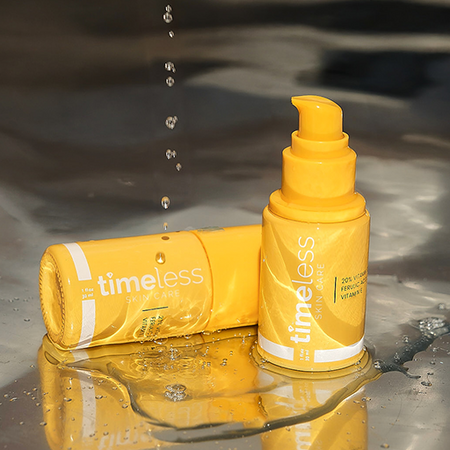
Morning use is the most common recommendation for vitamin C, although it is not the only option. Always pair morning use with a broad-spectrum sunscreen, as antioxidants do not replace sun protection. For product information, visit our Vitamin C category, including 20% Vitamin C + E Ferulic Acid Serum.
Step-by-Step Nighttime Skincare Routine
Nighttime is an opportunity for targeted cosmetic care. While you sleep, the skin is not exposed to direct sunlight or shifting outdoor weather, making the evening suitable for richer hydrators and specialized peptides.
Follow this sequence for your evening regimen:
- First Cleanse: Use an oil cleanser, balm, or micellar water to break down makeup, sunscreen, and surface debris from the day.
- Water-Based Cleanse: Follow with a gentle face wash to ensure a thorough, balanced cleanse without drying the skin.
- Exfoliant or Clarifying Toner: If you use chemical exfoliants like AHAs or BHAs, apply them two to three nights a week after cleansing.
- Treatment Serums: Apply your targeted evening actives, such as peptide formulas.
- Eye Cream: Apply a nourishing eye cream to support smoothness around the delicate eye contour.
- Night Moisturizer: Apply a cream to nourish the surface. A night moisturizer helps reduce moisture loss overnight.
- Facial Oil (Optional): If your skin feels dry, a few drops of facial oil can be pressed over your moisturizer as the final step.
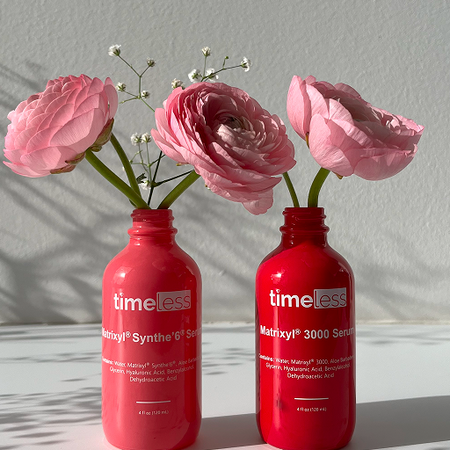
Peptides are a staple of evening routines. Peptides may help support the appearance of firmness. Layer your water-based peptide serums before heavier creams so they can settle directly on the skin surface. For product information, see Matrixyl Synthe'6 Serum. You can also compare Matrixyl Synthe'6 and Matrixyl 3000.
How to Layer Specific Active Ingredients
Knowing the broad routine order is helpful, but layering specific actives requires extra attention. Different active ingredients have distinct solubility profiles, pH preferences, and functional roles.
| Active Ingredient | Primary Function | Routine Placement | Best Time of Day |
|---|---|---|---|
| L-Ascorbic Acid (Vitamin C) | Helps brighten the look of dullness and uneven tone | Apply to clean, dry skin before thicker serums | Morning |
| Hyaluronic Acid | Helps attract, bind, and retain water in the outer layers of the skin | Apply after light actives, on slightly damp skin | Morning and Night |
| Coenzyme Q10 | Provides antioxidant support as the skin's natural CoQ10 levels decline with age | Apply after water-based hydrators, before heavy creams | Morning or Night |
| Peptides | May help support the appearance of firmness | Apply directly after cleansing or toning | Night or Morning |
| Vitamin B5 | Supports the skin barrier and helps the skin retain moisture | Apply as a hydrating serum layer | Morning and Night |
For ingredient definitions and related terminology, visit the ingredient glossary.
Hyaluronic acid is a humectant, not a moisturizer. Sodium hyaluronate is the sodium salt of hyaluronic acid, while hydrolyzed hyaluronic acid is hyaluronic acid broken into smaller fragments. Hyaluronic acid helps support hydration in the upper layers of the epidermis and helps improve the appearance of dehydration lines. For application, apply your humectant serum to slightly damp skin before applying a cream to help reduce moisture loss.
Coenzyme Q10 is a lipid-soluble antioxidant naturally found in the skin. Its natural levels decline with age. Topically, it provides antioxidant support as the skin's natural CoQ10 levels decline with age. It supports firmer-looking skin. It helps improve the appearance of fine lines. Because individual formulations vary, use CoQ10 once daily. If you have vitiligo, check with your dermatologist before using a CoQ10 product. Avoid applying CoQ10 formulas directly under the eyes. For product information, see the Coenzyme Q10 Serum.
For hydration and comfort, vitamin B5 supports the skin barrier and helps the skin retain moisture. Vitamin B5 helps the skin feel more comfortable. Formulas containing vitamin B5 pair easily with both humectants and peptide treatments. Read more about the benefits of vitamin B5.
Key Takeaway: Water-soluble actives like vitamin C and light hydrators go on first. Lipid-soluble antioxidants and peptides follow, finished by an emollient moisturizer.
Managing Complex Routines and Ingredient Compatibility
You do not need to apply every active ingredient in a single session. Rotating products between your morning and evening routines, or alternating days, can help limit surface congestion and keep your regimen sustainable.
Here are practical guidelines for balancing multiple active products:
- Separate Potent Actives: If you use strong exfoliating acids and direct vitamin C, consider using vitamin C in the morning and your exfoliant on alternate evenings.
- Layer by Base Formulation: If you use two hydrating serums, check their bases. Apply water-based liquids first, followed by thicker gel emulsions.
- Avoid Over-Exfoliation: Chemical exfoliants do not need to be used twice daily. Two to three evenings per week is often plenty to maintain surface smoothness.
- Give Products Time to Settle: You do not need prolonged wait times between steps, but allowing each layer thirty to sixty seconds to absorb helps prevent pilling when you apply moisturizer.
When introducing any new active serum into your regimen, individual reactions vary. Anyone with a known sensitivity or diagnosed skin condition should check with their dermatologist before starting a new step. If you want help organizing products by routine, use the skincare quiz.
Setting Realistic Expectations for Skincare Results
A structured skincare routine can support visible cosmetic improvements, but changes occur gradually. Overnight transformations do not happen.
Consistency matters more than complexity. A few carefully chosen products used consistently can be easier to maintain than a longer routine used sporadically. Visible changes in skin hydration, radiance, and the appearance of fine lines may develop with steady daily habits.
Factors such as sleep, climate, daily water intake, and sun habits also influence how your skin looks. Keep your expectations grounded and maintain your daily routine in the proper sequence.
Frequently Asked Questions
What is the most important step in a morning skincare routine?
While cleansing and hydrating are important for comfort, daily broad-spectrum sunscreen is an important daytime step. Sunscreen protects the skin surface from UV exposure, which contributes to premature skin aging and uneven tone. Always apply your SPF as the final layer of your morning skincare routine before applying any makeup.
How long should I wait between applying skincare steps?
You do not need long wait times between most skincare steps. In general, waiting thirty to sixty seconds allows a liquid or gel formula to absorb sufficiently so the next layer applies smoothly without pilling. Sunscreen should be allowed to settle for several minutes before you step outdoors or apply cosmetics over it.
Can I use the same moisturizer for both morning and night?
Yes, a basic, balanced moisturizer can serve as both your daytime and nighttime cream. However, many people prefer a lighter lotion under their daytime sunscreen to avoid a heavy feel and a richer cream in the evening. A moisturizer helps reduce moisture loss while you sleep.
Where does an eye product fit into my skincare routine order?
An eye cream or treatment should generally be applied after your lightweight facial serums and before your heavier face moisturizer. Applying an eye product before rich facial creams keeps the layering order simple. Our Eye Creams collection includes products such as Dark Circle Peptide Complex Eye Cream.