Introduction
Building a lineup of skincare products is only half the battle. Knowing how to apply them is just as essential. Applying products in a consistent sequence can make a routine easier to manage and keep lighter formulas ahead of heavier ones.
Timeless Skin Care was founded in 2009 by Veronica Pedersen to focus on clean formulas and high-concentration actives. These types of formulas can be easier to manage when applied in a consistent order.
Whether your regimen consists of three basic steps or a detailed routine with targeted treatments, following standard formulation principles makes your routine easier to manage.
Quick Answer: Apply your products in order of consistency, starting from the thinnest, water-based formulas and finishing with the thickest creams or oils. In the morning, always finish with a broad-spectrum sunscreen.
The Fundamental Rule of Skincare Layering
The standard rule for skincare application is simple: apply products from thinnest to thickest consistency. Water-based liquids and lightweight serums go on first, followed by heavier emulsions, creams, and oils.
Formulas vary in texture and vehicle. Water-based products are generally lighter, while creams and oils are generally heavier. Applying an occlusive cream first can make it harder to layer thinner products evenly.
Here is how formulations generally rank from lightest to heaviest:
- Water-based liquids and toners
- Lightweight water-based serums
- Heavier emulsion serums
- Face lotions and gel creams
- Rich moisturizers and creams
- Facial oils
Applying your products in this sequence allows each layer to settle properly on the skin surface.


Step-by-Step Morning Skincare Routine
Your daytime skincare routine focuses on surface hydration, antioxidant support, and sun defense. During the day, your skin faces environmental stressors like ultraviolet light and ambient pollution.
Key Takeaway: Daytime layering prioritizes hydration and defense against oxidative stress, finishing with broad-spectrum sun protection.
Follow this daytime order:
- Cleanse your skin.
- Apply a toner or hydrating mist.
- Apply targeted daytime serums.
- Apply eye cream.
- Apply moisturizer.
- Apply broad-spectrum sunscreen.
1. Cleanse
Start your morning by washing your face with a gentle, non-stripping cleanser. Overnight, your skin accumulates natural sebum, sweat, and residue from your evening products. A gentle water-based wash clears this buildup so your daytime products can apply evenly. If you have dry skin, rinsing with lukewarm water may be sufficient.
2. Toner or Treatment Mist
If you choose to use a hydrating toner, apply it directly after cleansing while your skin is still slightly damp. Modern hydrating toners help prep the skin surface for subsequent treatments. You can pat the liquid onto your face using clean hands or a soft cotton pad.
3. Water-Based Serums and Antioxidants
Serums deliver concentrated ingredients to the skin. Morning is a common time to use an antioxidant serum, such as a formula from the Vitamin C category. Vitamin C helps brighten the look of dullness and uneven tone. It also helps defend against oxidative stress caused by environmental factors such as UV exposure and pollution. When using vitamin C in the morning, follow with broad-spectrum sunscreen.
You can also use a hydrating serum in this step. A humectant like hyaluronic acid helps attract, bind, and retain water in the outer layers of the skin. If you layer multiple water-based serums, apply the thinnest liquid first.
4. Eye Cream
The skin around the eyes is thinner than the rest of the face. An eye cream helps keep this delicate area smooth and hydrated. Lightly tap a pea-sized amount along the orbital bone using your ring finger. Apply eye cream before your facial moisturizer to keep the routine order consistent.
5. Moisturizer
Moisturizer helps reduce transepidermal water loss (TEWL). If you have oily skin, a lightweight gel moisturizer may provide adequate hydration. If your skin is dry, choose a richer cream that provides more emollient support. Our Argan Oil 100% Pure, and Squalane Oil 100% Pure are two great options if you prefer a lightweight facial oil.
6. Broad-Spectrum Sunscreen
Sunscreen is the final step of every morning skincare routine. Apply a generous amount of broad-spectrum sunscreen with an SPF of 30 or higher to your face, neck, and ears. Sunscreen forms a protective surface film that defends against ultraviolet radiation. Applying serums or moisturizers over your sunscreen will disrupt this film and reduce its effectiveness.
Step-by-Step Evening Skincare Routine
Your nighttime routine focuses on thorough cleansing, surface renewal, and barrier maintenance. While you sleep, the skin is not exposed to direct sun or outdoor pollutants, making the evening suitable for richer textures and specialized active ingredients.
Follow this evening order:
- Remove makeup and surface debris with an oil cleanser or cleansing balm.
- Cleanse with a gentle water-based cleanser.
- Apply exfoliating treatments or toners.
- Apply targeted evening serums and treatments.
- Apply eye cream.
- Apply nighttime moisturizer or facial oil.
1. First Cleanse (Makeup and Sunscreen Removal)
Double cleansing begins with an oil-based cleanser, cleansing balm, or micellar water. Oil-based formulas dissolve stubborn makeup, water-resistant sunscreen, and excess surface sebum without aggressive scrubbing. Massage the product onto dry skin, emulsify with warm water, and rinse thoroughly.
2. Second Cleanse
Follow your initial cleanse with a gentle water-based cleanser. This step removes residual oils, sweat, and environmental grime, leaving skin ready for your evening treatments. Avoid hot water, which can strip natural lipids from the surface.
3. Exfoliants (Optional, 1 to 3 Nights Weekly)
Chemical exfoliants, such as alpha hydroxy acids (AHAs) or beta hydroxy acids (BHAs), help sweep away dead skin cells from the outer surface. Use exfoliating products on clean, dry skin. Limit chemical exfoliation to a few nights per week to avoid barrier stress.
4. Targeted Serums and Active Treatments
Apply your targeted nighttime treatments after cleansing or exfoliating. This is where you apply peptides, retinoids, or specialty antioxidant serums.
Peptides may help support the appearance of firmness. Another antioxidant for evening or daytime use is Coenzyme Q10. CoQ10 is generally used once daily. CoQ10 provides antioxidant support as the skin's natural CoQ10 levels decline with age. It also supports firmer-looking skin. If you have vitiligo, check with your dermatologist before using a CoQ10 product.
5. Eye Cream
Apply your evening eye treatment by dabbing gently around the eye contour. A dedicated formula from the Eye cream category can help support the look of the under-eye area overnight.
6. Nighttime Moisturizer and Facial Oils
Finish your evening routine with a moisturizer that helps reduce moisture loss while you sleep. If your skin is particularly dry, you can layer a few drops of facial oil over your moisturizer to provide additional emollient support and help reduce transepidermal water loss (TEWL).
How to Layer Multiple Active Ingredients
Many skincare routines include more than one targeted treatment. Knowing how to combine ingredients without causing unnecessary irritation is an important part of routine planning.
| Product Type | Vehicle Base | Routine Placement | Common Timing |
|---|---|---|---|
| Vitamin C Serum | Water-based | After cleansing, before moisturizer | Morning is common; evening is also possible |
| Hyaluronic Acid | Water-based | After cleansing or toning, before creams | Morning and Evening |
| Peptide Serum | Water-based or emulsion | After cleansing, before heavier creams | Morning or Evening |
| Retinoid | Anhydrous or emulsion | On dry skin after cleansing | Evening |
| Facial Oil | Lipid-based | Over moisturizer or as the final step | Evening |
When combining products, keep these practical principles in mind:
Water-Based Before Oil-Based
Always apply water-soluble serums before anhydrous (water-free) formulas or facial oils. Water and oil have different properties. If an oil is applied first, a water-based product may bead up on the surface and be harder to apply evenly across the skin.
Prioritize by Consistency
If you are using two water-based serums in the same routine, compare their consistencies. Apply the thinner, runnier liquid first. Allow it to settle briefly, then apply the thicker or more viscous serum.
Alternating Routines
You do not need to use every active ingredient in a single session. If you use multiple potent ingredients, consider alternating them by day or separating them between your morning and evening routines. For example, you can use a formula from the Vitamin C category in the morning and a retinoid or peptide treatment in the evening. For more layering guidance, read how to layer multiple serums.
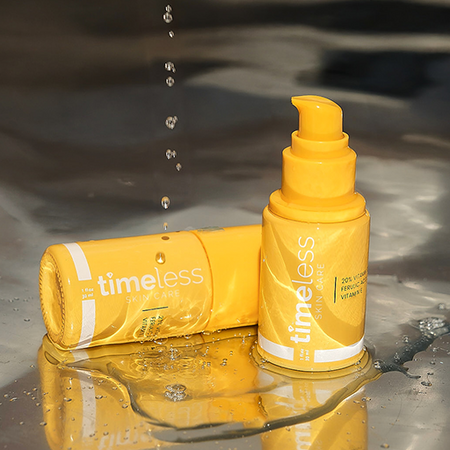
Timeless Skin Care offers options like the 20% Vitamin C + E Ferulic Acid Serum in the Vitamin C category and the Coenzyme Q10 Serum in the Antioxidant category.
You can also explore the Dark Circle Peptide Complex Eye Cream in the eye cream category.
Understanding Skin Compatibility and Reactions
Every individual has unique skin chemistry. A routine that works well for one person may cause sensitivity in another. Because individual reactions vary, anyone with a known sensitivity or diagnosed skin condition should check with their dermatologist before introducing new active formulas.
When adding new steps to your routine:
- Introduce one new product at a time.
- Use a new treatment two to three times per week initially.
- Give your skin several days to adjust before adding another product.
- If your skin shows signs of persistent redness or tightness, reduce the frequency of application.
Realistic Expectations for Skincare Results
Consistency is far more important than the sheer number of steps in your regimen. Skincare products support the skin surface through daily maintenance, but visible improvements take time.
The outer layer of the skin naturally turns over every several weeks. Cosmetic improvements in surface texture, tone, and the look of fine lines develop gradually through regular use. Hyaluronic acid helps improve the appearance of dehydration lines, while changes in uneven tone or surface firmness may require steady application over extended periods.
No single product or routine order delivers overnight transformation. Focus on maintaining a balanced routine that cleanses, hydrates, and protects your skin every day.
Frequently Asked Questions
What is the most important rule for layering skincare?
The general rule is to apply your products from thinnest to thickest consistency. Apply lightweight, water-based serums first, followed by heavier lotions, creams, and oils. During the day, broad-spectrum sunscreen must always be your final step.
Can I apply multiple serums in the same routine?
Yes, you can layer multiple serums by applying the thinnest, most watery texture first. Allow each layer to settle briefly before applying the next formula. If you are combining multiple active treatments, you may also alternate them between your morning and evening routines to keep your regimen simple.
Should I apply facial oil before or after my moisturizer?
Facial oils should be applied after your moisturizer or mixed directly into your cream. This keeps the order from lighter products to heavier ones.
Do I need to wash my face with cleanser in the morning?
While a thorough evening cleanse is useful for removing makeup, sunscreen, and daily grime, morning cleansing depends on your skin type. If you have oily skin, a gentle morning cleanse removes overnight sebum. If your skin is dry or sensitive, rinsing with lukewarm water may be sufficient before applying your daytime routine.