Introduction
Layering skincare can feel unnecessarily complicated when you are faced with multiple bottles, textures, and active ingredients. The sequence in which you apply your products can affect how they layer on your skin. Applying a light, water-based serum after a heavy, occlusive cream may make layering less comfortable.
Establishing a dependable routine does not require a dozen steps. Whether your regimen contains three essentials or several targeted treatments, the basic principles of formulation texture and product function remain the same. Understanding how to organize your morning and evening regimens can help you use the formulas in your cabinet consistently.
Quick Answer: Layer your skincare products from the thinnest consistency to the thickest consistency. Start with cleansing, move on to water-based treatments and serums, follow with moisturizers, and always finish your morning routine with a broad-spectrum sunscreen.
The Core Principles of Product Layering
To understand why product sequencing matters, it helps to look at the basic chemistry of skincare formulations. Applying products in a consistent sequence can make your routine easier to follow.
Skincare layering relies on three simple rules of thumb:
- Thin to Thick Consistency: Watery liquids are generally used earlier. Heavier lotions and creams sit on the surface longer and belong toward the end of your routine.
- Water Before Oil: Water-based treatments are generally applied before oil-based formulas, facial oils, and rich emollient creams.
- Daily Protection is Always Last: Sunscreen must sit as the outermost functional layer during the daytime to defend against environmental exposure without being diluted by other products.
Basic Layering Sequence
- Cleanser.
- Toner or essence.
- Serums.
- Eye cream.
- Moisturizer.
- SPF during the morning only.
The table below outlines how common product categories map onto these principles:
| Step Phase | Common Formats | Primary Function | Layering Priority |
|---|---|---|---|
| Prep | Cleansers, toners, mists | Clears debris, balances surface | First step on bare skin |
| Treat | Water serums, active treatments | Addresses specific cosmetic concerns | Middle step, thinnest to thickest |
| Seal | Lotions, creams, facial oils | Helps reduce moisture loss | Outer conditioning layer |
| Protect | Broad-spectrum SPF | Shields against UV radiation | Final daytime step only |


Step-by-Step Morning Routine Order
Your morning routine centers on hydration and daily defense against daytime environmental stressors.
- Gentle cleanser.
- Hydrating toner or mist.
- Vitamin C and antioxidant serums.
- Lightweight hydrator.
- Eye cream.
- Daily moisturizer.
- Broad-spectrum sunscreen.
1. Cleanser
Washing your face in the morning removes the oils and sweat that accumulate while you sleep. A gentle, sulfate-free cleanser clears the canvas without stripping away essential surface lipids. If your skin feels exceptionally dry upon waking, a simple rinse with lukewarm water may suffice.
2. Hydrating Toner or Essence
An optional toner or facial mist provides immediate surface hydration right after cleansing. Formulations that incorporate gentle humectants prepare the skin surface to receive concentrated treatments.
3. Antioxidant Serums
Morning use is common for topical antioxidants and should be followed by broad-spectrum sunscreen. A water-based antioxidant serum helps defend against oxidative stress caused by environmental factors such as UV exposure and pollution. Applying an antioxidant like L-ascorbic acid helps brighten the look of dullness and uneven tone.
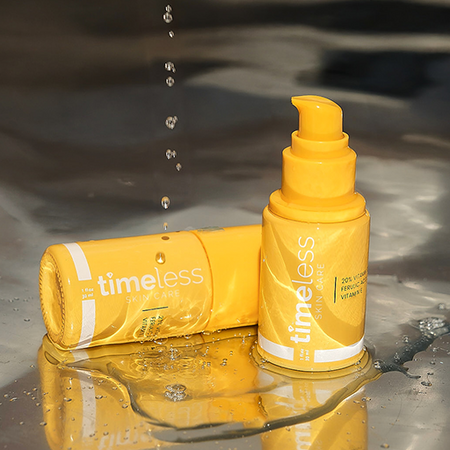
The Timeless Skin Care 20% Vitamin C + E Ferulic Acid Serum is a vitamin C serum. Allow water-based antioxidant serums a moment to settle into the skin before applying subsequent layers.
4. Hydrating Serums
If your skin requires additional hydration, layer a targeted humectant serum next. Hyaluronic acid helps attract, bind, and retain water in the outer layers of the skin. It helps improve the appearance of dehydration lines. Water-soluble hydrators should generally precede heavier lotions.
5. Eye Cream
The delicate skin around the orbital bone is naturally thinner than the rest of the face. Gently tapping a lightweight eye cream around the orbital area with your ring finger helps provide moisture without excess rubbing or tugging.
6. Moisturizer
A daytime moisturizer helps reduce transepidermal water loss (TEWL). Choose a lightweight lotion or gel formula that provides comfort without creating excess shine under makeup.
7. Broad-Spectrum Sunscreen
Sun protection is non-negotiable. Finish your morning regimen with a generous application of broad-spectrum sunscreen rated SPF 30 or higher. Sunscreen must form an uninterrupted shield across the face and neck. Never mix your sunscreen directly into your moisturizer or foundation, as this compromises the protective film.
Step-by-Step Evening Routine Order
Your evening regimen shifts toward thorough cleansing, targeted skin conditioning, and richer moisturization.
- First cleanse for makeup and sunscreen removal.
- Second water-based cleanse.
- Exfoliant or clarifying treatment two to three nights per week.
- Targeted night serums, including peptides or retinoids.
- Eye cream.
- Night moisturizer or barrier cream.
- Facial oil, optional.
1. Double Cleanse
Removing long-wear makeup, silicones, and water-resistant sunscreen requires a deliberate approach. Start with an oil cleanser, cleansing balm, or micellar water to break down surface oils. Follow immediately with a water-based gel or cream cleanser to wash away residual impurities and leave your pores clean.
2. Chemical Exfoliant (Optional)
If your regimen includes exfoliating acids such as glycolic, lactic, or salicylic acid, apply them directly to clean, dry skin. Limit chemical exfoliants to two or three nights per week to prevent surface irritation, and avoid layering them at the same time as strong retinoids.
3. Targeted Night Serums
Nighttime is well-suited for peptide complexes and targeted ingredients. Peptides may help support the appearance of firmness.
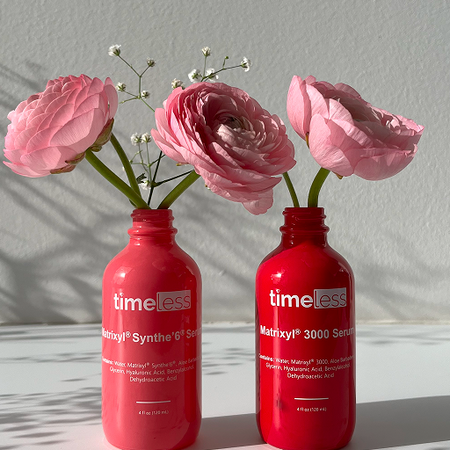
If you incorporate specialized peptide formulas, the Timeless Skin Care Matrixyl® 3000 Serum is a peptide serum.
If you also use CoQ10 in your routine, CoQ10 provides antioxidant support as the skin's natural CoQ10 levels decline with age. CoQ10 helps improve the appearance of fine lines. CoQ10 supports firmer-looking skin. Keep CoQ10 serums away from the immediate eye area. If you have vitiligo, check with your dermatologist before using a CoQ10 product.
Note: When layering multiple serums in a single routine, apply the lightest, water-based serum first. Allow each layer thirty to sixty seconds to settle before smoothing on the next product.
4. Eye Treatment
Apply an evening eye treatment to condition the under-eye area overnight. The Timeless Skin Care Dark Circle Peptide Complex Eye Cream is an eye cream.
5. Night Moisturizer
Night creams tend to feature richer emollient profiles than daytime lotions. A nourishing cream helps reduce moisture loss while you sleep.
6. Facial Oil (Optional)
If your skin is prone to extreme dryness, you can finish your evening routine with a few drops of facial oil patted gently over your moisturizer. Because oils possess occlusive qualities, placing them last helps reduce moisture loss throughout the night.
How to Customize Your Steps by Skin Type
A successful routine matches product weights to your skin's natural lipid production. You do not need every single step every day; adjust the density of your layers to maintain comfort and balance.
Dry Skin
- Cleanse.
- Use a hydrating toner.
- Apply a hydrating serum.
- Use a rich cream.
- Apply facial oil.
Dry skin can be prone to flaking, roughness, and visible dehydration lines.
- Focus on layering humectants like hyaluronic acid directly beneath rich creams.
- Apply your humectant serums to slightly damp skin.
- Look for barrier-supporting ingredients like ceramides, squalane, and fatty acids.
Oily and Blemish-Prone Skin
- Cleanse.
- Use a balancing mist.
- Apply a light serum.
- Use a gel moisturizer.
- Apply matte SPF.
Oily skin produces excess sebum but can still experience dehydration in the upper layers of the epidermis.
- Stick to lightweight, water-based gel formulas that hydrate without adding heaviness.
- Do not skip moisturizer entirely; skipping hydration can cause the skin to feel tight and uncomfortable.
- Incorporate gentle clarifying ingredients, but avoid combining multiple drying astringents at once.
Combination Skin
Combination skin displays an oily T-zone alongside normal or dry cheeks.
- Use a gentle, balanced cleanser that cleanses the central zone without overdrying the perimeter.
- Layer a universal water-based hydrating serum across the entire face.
- Apply a lightweight moisturizer across the face, adding an extra layer only to localized dry patches.
Sensitive Skin
- Use a gentle cleanse.
- Apply a barrier serum.
- Use a simple moisturizer.
- Apply mineral SPF.
Reactive skin types may benefit from a minimalist approach that prioritizes comfort and skin barrier maintenance.
- Keep your routine to three or four reliable products.
- Introduce only one new active formula at a time.
- Individual reactions vary, so anyone with a known sensitivity or diagnosed skin condition should check with their dermatologist before introducing new active formulas.
Realistic Expectations and Results
Skincare is a daily investment in the long-term appearance of your complexion, not an overnight transformation. Visible improvements in skin texture, tone clarity, and surface firmness may depend on regular, patient consistency.
A hydrating humectant may improve the appearance of dehydration lines. Antioxidant serums may contribute to the appearance of tone and smoothness with consistent use. Peptide serums may help support the appearance of firmness with consistent use.
Key Takeaway: Consistency and correct product ordering can make a routine easier to follow than constantly switching between aggressive products. Give any new routine adequate time before modifying your steps.
Frequently Asked Questions
How long should I wait between applying skincare layers?
You do not need to wait prolonged periods between most skincare steps. In general, waiting thirty to sixty seconds allows each formula to settle before the next product, which may help reduce pilling. The primary exception is daytime sunscreen, which should be allowed to set for a few minutes before applying makeup over it.
Can I mix my serum into my moisturizer to save time?
It is best to apply serums and moisturizers separately. Mixing two distinct formulations in your palm can disrupt the stability, preservative balance, and delivery vehicle of both products. Applying a serum directly to clean skin can help you follow the intended layering order before your moisturizer helps reduce moisture loss.
Does the order of products change if I use retinoids?
Retinoids should be applied during your evening routine after cleansing and any lightweight, water-based hydrating serums. If your skin is sensitive or prone to dryness, you can utilize the buffering method by applying a light layer of moisturizer before your retinoid to help the skin feel more comfortable. For more routine guidance, use the skincare quiz.
What should I do if my skincare products start pilling?
Pilling occurs when products sit on top of each other rather than settling into the skin surface, creating small flakes. This commonly happens when a water-based product is layered over an oil or silicone base, when too much product is used at once, or when formulas are rubbed in too vigorously. To prevent pilling, apply products from thinnest to thickest, use moderate amounts, and gently pat layers into the skin.