Introduction
Layering skincare can feel complicated when you look at a shelf full of bottles, droppers, and jars. You might wonder whether your serum goes before your moisturizer, where eye cream fits, or whether the sequence truly makes a difference.
The sequence in which you apply your products can matter. When applied in the proper sequence, each formula can interact with the skin surface without interference from heavier textures. Putting a lightweight, water-based serum on top of a heavy cream may make it harder for that serum to spread evenly across the skin.
Founded in 2009 by Veronica Pedersen, Timeless Skin Care focuses on making daily regimens straightforward. Knowing how to arrange those steps can help you follow a daily regimen.
Quick Answer: Apply your skincare products from the thinnest consistency to the thickest consistency. Cleanse first, follow with watery toners and lightweight serums, add heavier creams or facial oils next, and always finish your morning routine with broad-spectrum sunscreen.
The Fundamental Rule of Skincare Layering
The easiest way to remember product order is to look at texture and weight. Lighter, water-based liquids absorb quickly and are generally applied before thicker, oil-based emulsions, which sit on the surface longer to support hydration.
Skincare products generally fall into three operational stages:
- Prep: Cleansing the face and applying watery mists or balancing toners.
- Treat: Delivering targeted ingredients through lightweight fluids, gels, and serums.
- Seal: Using creams, balms, or face oils to support the skin barrier, followed by daily sun protection in the morning.
When you apply a rich cream first, it may make it harder for a lighter, water-soluble liquid to spread evenly afterward. Structuring your routine from low viscosity to high viscosity can help reduce pilling and improve coverage across the face and neck.
| Stage | Routine Step | Primary Purpose | Formula Texture |
|---|---|---|---|
| Prep | Cleanser | Removes oil, debris, and residual makeup | Gel, foam, or cream |
| Prep | Toner / Mist | Applies a watery layer and preps skin | Watery liquid |
| Treat | Eye Care | Targets delicate skin around the orbital bone | Light gel or cream |
| Treat | Targeted Serums | Delivers concentrated functional ingredients | Thin liquid to light gel |
| Seal | Moisturizer | Helps reduce moisture loss | Lotion or rich cream |
| Seal | Facial Oil | Softens skin and conditions the surface | Lightweight oil |
| Protect | Sunscreen (AM) | Shields against UV radiation | Fluid, cream, or lotion |


The Correct Order for Your Morning Routine
Your morning routine serves to refresh the face and support the skin against daily environmental elements. Exposure to outdoor elements, indoor heating, and sun rays requires a focus on hydration and environmental defense.
Here is the step-by-step order for the morning:
1. Gentle Cleanser
Rinse away dead skin cells, natural oils, and remnants of overnight products. A mild, sulfate-free cleanser removes impurities without stripping surface moisture. If your skin feels dry in the morning, a simple lukewarm water rinse may be sufficient.
2. Hydrating Toner or Mist
Applying a watery toner balances the skin surface after cleansing. It readies the skin to accept subsequent leave-on products. Avoid astringent toners loaded with high concentrations of denatured alcohol, as they can lead to surface dryness.
3. Targeted Morning Serums
Morning use is the most common recommendation for antioxidant support, but it is not the only option. Morning use should always be paired with broad-spectrum sunscreen.
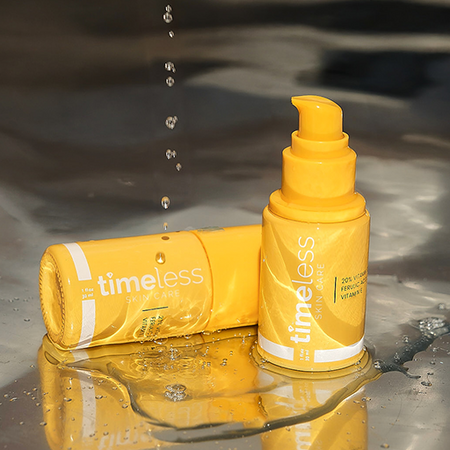
- Antioxidant Care: Our 20% Vitamin C + E Ferulic Acid Serum belongs in this targeted morning category. Topical antioxidants help defend against oxidative stress caused by environmental factors such as UV exposure and pollution. They also help neutralize free radicals generated by UV exposure. Formulations featuring L-ascorbic acid or CoQ10 fit here. Vitamin C helps brighten the look of dullness and uneven tone.
- Humectant Care: Hyaluronic acid is a humectant. It helps attract, bind, and retain water in the outer layers of the skin. It also helps support hydration in the upper layers of the epidermis and helps improve the appearance of dehydration lines.
If you choose to use a CoQ10 formula, note that it provides antioxidant support as the skin's natural CoQ10 levels decline with age. It also helps improve the appearance of fine lines and supports firmer-looking skin. CoQ10 is generally used once daily. If you have vitiligo, check with your dermatologist before using a CoQ10 product.
4. Eye Cream
The skin around the orbital bone is delicate and lacks substantial oil glands. A dab of eye cream helps smooth and hydrate this area. Tapping a small amount with your ring finger avoids pulling the fragile tissue. Explore the eye creams collection for navigation to relevant products.
5. Moisturizer
A daytime moisturizer helps reduce transepidermal water loss (TEWL), the water that evaporates from the skin's surface. It keeps the outer layers supple throughout the day. You might choose an oil-free gel if you lean oily, or a cream if your skin feels dry.
6. Broad-Spectrum Sunscreen
Daily broad-spectrum sunscreen is an essential part of every morning regimen. Apply a generous layer with an SPF rating of 30 or higher as the final step before applying cosmetics. Sunscreen forms a protective layer across the skin to shield against UV radiation. Reapply throughout the day during prolonged sun exposure.
Key Takeaway: Always apply morning skincare in this sequence: Cleanser, Toner, Treatment Serums, Eye Cream, Moisturizer, and Broad-Spectrum Sunscreen.
The Correct Order for Your Evening Routine
While daytime focuses on defense, your nighttime routine centers on thorough cleansing and supporting the skin barrier while you sleep. The evening sequence allows for richer textures and targeted ingredients that are best used away from sunlight.
Follow this sequence for your evening routine:
1. First Cleanse (Makeup and Sunscreen Removal)
Start by dissolving stubborn makeup, long-wear cosmetic pigments, and water-resistant sunscreen. An oil-based cleanser, cleansing balm, or micellar water breaks down these stubborn surface layers without requiring aggressive scrubbing.
2. Second Cleanse
Follow with a water-based gel or cream wash. This ensures that sweat, residual grime, and cleansing oil residues are thoroughly washed away. Clean skin allows subsequent serums to spread smoothly.
3. Exfoliation (1 to 3 Times Weekly)
Exfoliating liquids containing alpha hydroxy acids (AHAs) or beta hydroxy acids (BHAs) help remove dead surface cells. Limit chemical exfoliants to a few nights per week rather than daily use to avoid irritating the skin barrier.
4. Treatment Serums and Peptides
Nighttime is a suitable time for formulas containing peptides, barrier-supporting vitamins, or retinoids.
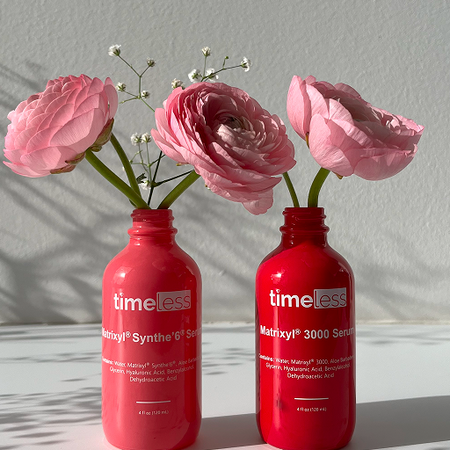
- Peptides: Our Matrixyl 3000 Serum is an option for this evening treatment step. Peptides such as Matrixyl 3000 may help support the appearance of firmness and smooth the look of skin texture.
- Vitamin B5: Calcium Pantothenate supports the skin barrier and helps the skin retain moisture. It helps the skin feel more comfortable.
- Retinoids: If you use retinol or prescription retinoids, apply them during this treatment window.
5. Eye Cream
Apply your evening eye treatment to help keep the eye contour hydrated overnight. Smooth gently outward toward the temples, avoiding direct contact with the eyes.
6. Night Moisturizer
Night creams tend to have higher concentrations of emollients than daytime lotions. A nourishing cream helps reduce moisture loss while you sleep.
7. Facial Oil (Optional)
If your skin feels dry or is exposed to low humidity, patting a few drops of facial oil over your moisturizer adds an extra layer of comfort. Facial oils soften the outer layer and provide conditioning benefits.
How to Layer Multiple Serums Without Pilling
Many people use more than one treatment serum in a single routine. Layering them successfully requires following basic physical chemistry principles to avoid uneven absorption or pilling.
The Water-to-Oil Progression
When applying multiple serums, look at their base formulations:
- Thin, watery serums: Apply low-viscosity, water-soluble formulas first.
- Gel-like serums: Follow with medium-viscosity humectant serums.
- Emulsions and light oils: Apply lipid-based or milky serums last in the treatment sequence.
If two serums have identical textures, apply the one addressing your primary skin goal first. For instance, if uneven tone is your primary focus, apply your brightening formula before your general peptide serum.
Allowing Time Between Layers
You do not need to wait ten minutes between every step. However, giving each product 30 to 60 seconds to settle into the skin may help prevent formulas from dragging across the surface and peeling into small flakes.
If a particular active combination feels too strong for your skin, alternate your products by using one in the morning and the other in the evening, or rotate them on alternating days. Individual reactions vary, so anyone with a known sensitivity or diagnosed skin condition should check with their dermatologist.
Realistic Skincare Expectations
Consistency is important in a skincare routine. Changing products every few days makes it harder to determine how your skin responds.
Cosmetic improvements may develop gradually as the upper layers of your skin naturally shed and renew. Surface hydrators can improve the look of dehydration, while tone refinement and firmness support may require consistent application.
Every person responds to topical ingredients differently based on environment, genetics, lifestyle, and overall barrier health. Rather than searching for an overnight fix, focus on performing your basic steps in the correct order. A steady habit can support healthy-looking, glowing skin.
Common Order Mistakes to Avoid
Even seasoned skincare enthusiasts occasionally make layering errors. Here are the most common sequencing mistakes and how to fix them:
Applying Sunscreen Under Moisturizer
Sunscreen must always be the final step of your daytime skincare routine. Placing a lotion or facial oil over your sunscreen can disrupt the protective film and reduce its ability to shield your skin from UV radiation. Let your moisturizer absorb, then apply your broad-spectrum SPF generously.
Using Face Oils Before Water-Based Serums
Oils have occlusive qualities that create a surface layer. If you apply a facial oil before a watery hyaluronic acid serum, it may make it harder for the serum to spread evenly. Keep facial oils at the very end of your routine, right after or mixed into your moisturizer.
Over-Cleansing in the Morning
Using harsh, foaming face washes twice daily can strip the skin barrier of natural lipids. If your skin feels tight or dry by midday, switch to a milder cleanser or use plain lukewarm water for your morning wash.
Layering Too Many Strong Actives at Once
Applying direct acids, concentrated vitamin C, and strong retinoids in a single session can overwhelm the skin and lead to redness. Separate strong ingredients between your morning and evening regimens, or use them on alternate nights.
Adjusting Your Routine by Skin Type
While the standard thinnest-to-thickest rule often applies across skin types, the specific products you choose for each step should match your skin's unique behavior.
For Dry Skin
Dry skin produces less natural sebum, which can lead to a rough surface texture and visible flakiness.
- Cleanse with a non-foaming cream or oil-based wash.
- Layer a humectant fluid. The Hyaluronic Acid 100% Pure is an option for this step. Hyaluronic acid helps attract, bind, and retain water in the outer layers of the skin.
- Choose a rich, lipid-dense moisturizer and consider sealing your evening routine with a nourishing plant oil.
For Oily and Blemish-Prone Skin
Oily skin benefits from lightweight hydration that will not feel heavy or greasy throughout the day.
- Use a gentle foaming or gel-based cleanser to remove excess surface sebum.
- Keep toners lightweight and non-comedogenic.
- Rely on fluid, water-based serums rather than heavy suspensions.
- Choose an oil-free gel moisturizer that helps reduce moisture loss without adding extra weight.
For Combination Skin
Combination skin displays both dry patches and an oily T-zone.
- Use a balanced, mild cleanser that cleans without over-drying the cheeks.
- Apply lightweight hydration evenly across the entire face.
- Apply a richer layer of moisturizer only to dry zones, keeping application lighter on the forehead, nose, and chin.
Frequently Asked Questions
Do I need to wait between applying each skincare product?
You do not need extended waiting periods between most steps. Waiting 30 to 60 seconds allows watery serums to settle before you apply thicker lotions, which may help prevent product pilling. The main exception is sunscreen: let your moisturizer set completely before applying SPF, and allow your sunscreen to dry before applying makeup.
Should eye cream go before or after moisturizer?
Eye cream should generally go before your face moisturizer. Eye creams are formulated with lighter textures designed for the delicate skin around the orbital bone. Applying your eye product before your facial cream may help it absorb without competing against heavier emollients.
Can I mix my serum into my moisturizer to save time?
It is best to apply serums and moisturizers as separate layers. Serums are designed to deliver targeted ingredients directly to clean skin, while moisturizers contain heavier ingredients meant to support the barrier and reduce moisture loss. Mixing them together alters the balance of the formula and may reduce the consistency of application.
What is the simplest daily skincare routine I can follow?
A complete foundational routine can use three steps in the morning and three at night. In the morning, use a gentle cleanser, a moisturizer, and a broad-spectrum sunscreen. In the evening, cleanse your face, apply a targeted treatment serum if desired, and finish with a moisturizer. For help arranging a routine, use our skincare quiz.