Introduction
Applying skincare products is only part of a routine. If you layer them haphazardly, a thick face cream applied before a watery fluid may make it harder for the lighter product to settle on the skin's surface.
Finding the proper order of skincare products does not require an overwhelming ten-step routine. It comes down to a few fundamental rules based on texture, formulation, and product function. Whether you prefer a streamlined three-step lineup or enjoy layering targeted serums, structuring your morning and evening regimens can help organize your routine. For help organizing your routine, use our skincare quiz.
The Core Principles of Product Layering
Before memorizing specific morning and nighttime steps, learning the baseline mechanics of cosmetic layering can help you make smart decisions on your vanity. Three main guidelines can help organize how formulations interact.
1. Thinnest to Thickest Texture
Cosmetic products are designed with distinct carrier bases. Watery liquids often settle rapidly into the surface layers. Emulsions, creams, and balms contain richer emollients and occlusives that sit over the skin. If you smooth a dense moisturizing cream onto clean skin first, any water-based serum applied on top may struggle to settle.
2. Water-Based Before Oil-Based
Water- and oil-based formulas can layer differently. When building a layered regimen, apply your water-soluble actives first. Once they absorb, follow with lipid-rich serums, heavier facial oils, or creams. This sequence may help reduce pilling and maintain a smooth finish.
3. Sunscreen Always Finishes the Morning
A broad-spectrum sunscreen must form the final layer across the surface of your skin. For daytime, sunscreen is the non-negotiable final step before cosmetics.
Key Takeaway: Layer your products by viscosity: watery toners and light serums first, followed by lotions and creams, and always finish daytime routines with broad-spectrum sunscreen.
| Product Type | Typical Texture | Routine Position | Primary Purpose |
|---|---|---|---|
| Cleanser | Gel, foam, cream, or oil | Step 1 (AM/PM) | Removes surface impurities, sebum, and sunscreen |
| Toner / Essence | Watery liquid | Step 2 (AM/PM) | Refreshes and prepares skin surface |
| Water-Based Serum | Fluid / light gel | Step 3 (AM/PM) | Delivers targeted active ingredients |
| Eye Cream | Lightweight cream or gel | Step 4 (AM/PM) | Cares for delicate orbital skin |
| Moisturizer | Lotion, cream, or gel-cream | Step 5 (AM/PM) | Helps reduce moisture loss |
| Sunscreen | Cream, lotion, or mineral fluid | Step 6 (AM only) | Defends against UV exposure |


The Proper Morning Skincare Order
Your morning routine is designed to prepare your face for environmental exposure throughout the day. The daytime sequence focuses on light hydration, antioxidant defense, and sun protection.
Step 1: Cleanser
Washing your face in the morning clears away overnight perspiration, excess oils, and any residual evening products. If your skin is dry or sensitive, a gentle splash of lukewarm water or a mild, non-stripping cleanser may be sufficient. Oily skin profiles often benefit from a gentle foaming or gel wash.
Step 2: Hydrating Toner or Essence (Optional)
A gentle, alcohol-free toner helps rehydrate the outer surface right after cleansing. When formulated with humectants, this step helps support hydration in the upper layers of the epidermis, preparing your skin to receive subsequent formulas.
Step 3: Daytime Antioxidant Serum
Morning use is the most common recommendation for an antioxidant, but it is not the only option. Throughout the day, skin encounters ultraviolet light and atmospheric debris. An antioxidant helps defend against oxidative stress caused by environmental factors such as UV exposure and pollution.
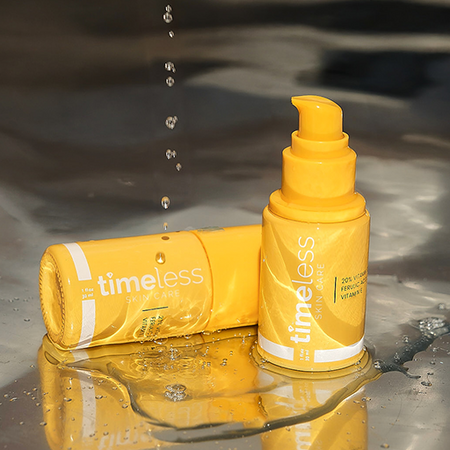
Ascorbic acid is a classic water-soluble choice for daytime routines. It helps brighten the look of dullness and uneven tone while it supports the skin's antioxidant defenses. For daytime routines, apply your fluid serums directly to clean skin. For category reference, the 20% Vitamin C + E Ferulic Acid Serum is listed in the Vitamin C category.
If you prefer lipid-soluble antioxidants, ubiquinone is another option. It provides antioxidant support as the skin's natural CoQ10 levels decline with age. It helps improve the appearance of fine lines and supports firmer-looking skin. CoQ10 is generally used once daily. For category reference, Our Coenzyme Q10 Serum is listed in the CoQ10 category. Keep CoQ10 away from the delicate under-eye area. If you have vitiligo, check with your dermatologist before using a CoQ10 product.
Step 4: Eye Cream (Optional)
If you use a dedicated eye product, gently tap a small amount around the orbital bone before applying heavier face creams. Some eye formulations contain peptide complexes that may help support the appearance of firmness.
Step 5: Moisturizer
A daily moisturizer helps reduce transepidermal water loss (TEWL), the water that evaporates from the skin's surface. Normal to oily skin types often favor oil-free gels or light lotions, while drier skin types may benefit from richer cream bases that keep the surface soft and comfortable.
Step 6: Broad-Spectrum Sunscreen
Finish every morning with a broad-spectrum sunscreen rated SPF 30 or higher. Sunscreen must be applied generously to the face, neck, and ears 15 minutes before heading outdoors. Do not skip this step on overcast days or when spending time indoors near windows.
Quick Answer: In the morning, clean your skin, apply your water-soluble antioxidant serum, follow with a lightweight moisturizer, and finish with a broad-spectrum SPF.
The Proper Evening Skincare Order
At night, your routine shifts from daytime defense to cleansing away the day's buildup and applying evening textures.
- First Cleanse: Break down waterproof makeup, daily grime, and long-wear sunscreen using a cleansing balm, micellar water, or cleansing oil.
- Second Cleanse: Wash with a water-based cleanser to lift away remaining residue and leave the surface clean.
- Exfoliation (1 to 3 nights weekly): Apply chemical exfoliants, such as glycolic or salicylic acid liquids, to smooth rough texture and clear away dead surface cells.
- Evening Treatment Serums: Apply targeted active serums, such as peptide formulas, to support the skin.
- Eye Cream: Tap a moisturizing eye treatment around the eye contour.
- Night Moisturizer: Smooth a comforting cream over the face and neck to support the skin barrier.
Cleansing and Exfoliating
The evening double-cleanse helps remove stubborn silicones and particulate pollution. Once the skin is rinsed clean, chemical exfoliation may be introduced a few nights per week. Exfoliating liquids should come before thicker hydrating serums so they can interact directly with the skin surface.
Layering Evening Serums
After cleansing or exfoliating, layer your evening treatment serums from lightest to richest.
Humectant serums formulated with hyaluronic acid can fit well into an evening routine. Sodium hyaluronate is the sodium salt of hyaluronic acid. It helps attract, bind, and retain water in the outer layers of the skin. It helps improve the appearance of dehydration lines. For additional ingredient definitions, visit our ingredient glossary.
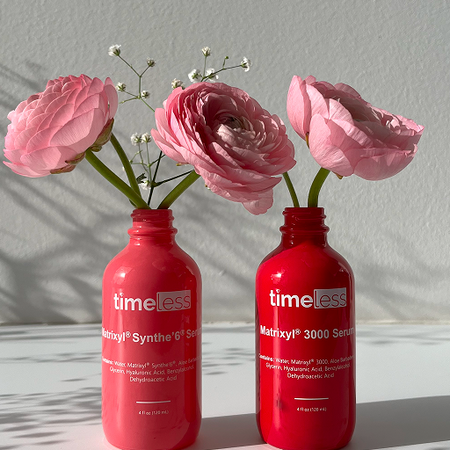
Peptide serums can also fit into an evening lineup. Signal peptides such as Matrixyl 3000 and Matrixyl Synthe'6 may help support the appearance of firmness. Learn more in our article on Matrixyl Synthe'6 vs. Matrixyl 3000.
For category reference, Matrixyl® 3000 Serum is listed in the Peptides line.
Vitamin B5 has the INCI Calcium Pantothenate. It supports the skin barrier and helps the skin retain moisture. It helps the skin feel more comfortable. For category reference, Vitamin B5 Serum is listed in the Vitamin B5 category.
Finishing Evening Hydration
Finish your nighttime routine with an emollient moisturizer. Evening creams tend to be richer than daytime lotions. A moisturizer helps reduce moisture loss while you sleep. The DIY Build Your Kit collection is a routine-building category.
How to Layer Multiple Serums Without Overwhelming Skin
Many skincare enthusiasts use more than one serum to address different cosmetic goals. While combining products is a standard practice, proper technique may help reduce irritation. Our guide to layering multiple serums provides additional routine guidance.
The Rule for Serum Viscosity
When using two or more serums in a single routine:
- Apply the thinnest, most watery formula first.
- Allow it thirty to sixty seconds to settle into the skin.
- Follow with the slightly thicker, more viscous gel or emulsion.
- Limit yourself to two or three serums per routine to help prevent product pilling.
| Serum Category | Typical Viscosity | Best Routine Time | Key Cosmetic Target |
|---|---|---|---|
| Vitamin C | Watery / Liquid | Morning | Helps brighten the look of dullness and uneven tone |
| Hyaluronic Acid | Light gel / Slip | Morning or Evening | Helps attract, bind, and retain water in the outer layers of the skin |
| Peptide Formulas | Medium fluid | Morning or Evening | May help support the appearance of firmness |
| CoQ10 | Emulsion / Milky | Morning or Evening | Supports firmer-looking skin |
Managing Ingredient Sensitivities
Individual reactions vary across different skin profiles. If you have a known sensitivity or a diagnosed skin condition, check with your dermatologist before introducing concentrated active serums. When incorporating active ingredients like L-ascorbic acid or exfoliating acids, introduce them slowly rather than applying everything at once.
Realistic Expectations for Skincare Results
Cosmetic changes can take time. The outer skin surface naturally turns over, meaning changes in the appearance of texture, radiance, and visible firmness may develop gradually.
Skin may feel softer, while the appearance of dehydration lines, dullness, and uneven texture may change over time. Consistency and patience matter more than using ten different products every day. A dependable, well-ordered regimen may be easier to maintain.
Frequently Asked Questions
Can I apply my hyaluronic acid serum after my moisturizer?
Usually, apply your hyaluronic acid serum before your moisturizer. Hyaluronic acid is a humectant, not a moisturizer. It helps attract, bind, and retain water in the outer layers of the skin. It helps improve the appearance of dehydration lines. Follow with a moisturizer that helps reduce moisture loss.
Is it necessary to wait between applying different skincare steps?
Most everyday skincare steps do not require long waiting periods. You can move from toner to hydrating serums as soon as each layer feels lightly absorbed. However, when using potent, pH-dependent actives like L-ascorbic acid or chemical exfoliants, giving the formula a minute to dry down can minimize pilling. Always allow your sunscreen to set before applying makeup.
What should I do if my skincare products start pilling?
Pilling happens when formulas fail to absorb and instead ball up into small flakes on the surface. This typically occurs when you apply a thick product before a watery one, use too much product, or layer silicone-heavy formulas over oil-based products without adequate drying time. To resolve pilling, reduce the total number of layered steps, stick to the thinnest-to-thickest rule, and allow each layer to settle.
Do I need a different skincare routine for morning and night?
Often, yes, because your skin faces different demands during the day than it does while you sleep. Morning routines focus on daytime antioxidant use and broad-spectrum sunscreen. An antioxidant helps defend against oxidative stress caused by environmental factors such as UV exposure and pollution. Evening routines center on double cleansing, treatment serums, and a moisturizer.